
CRRC is advancing the development of China’s national industry-education integration platform for the rail transit equipment sector, with a focus on strengthening talent pipelines, aligning vocational education with industry needs, and supporting the long-term development of advanced manufacturing.
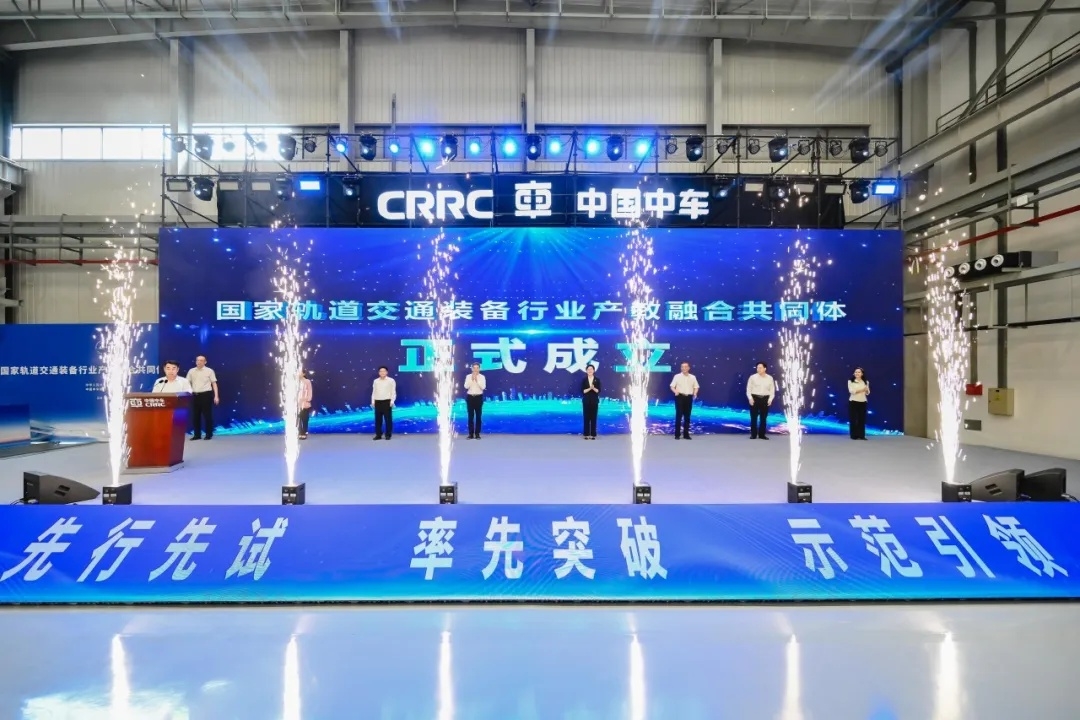
In a recent interview with Xinhua News Agency, Wang An, Deputy Party Secretary of CRRC Group, shared CRRC’s progress in promoting industry-education integration in rail transit. Since its establishment in July 2023 with the support of the Ministry of Education, the National Rail Transit Equipment Industry-Education Integration Community has become an important platform for vocational education reform and collaborative talent development.
The Community was established in July 2023 with the support of the Ministry of Education and under the leadership of CRRC. It is China’s first national-level industry-education integration community and has become an important platform for vocational education reform. Over the past three years, the Community has focused on the needs of the rail transit equipment industry, integrated resources across the industrial value chain, and explored an industry-led and enterprise-driven model for aligning vocational education with real-world industrial development.
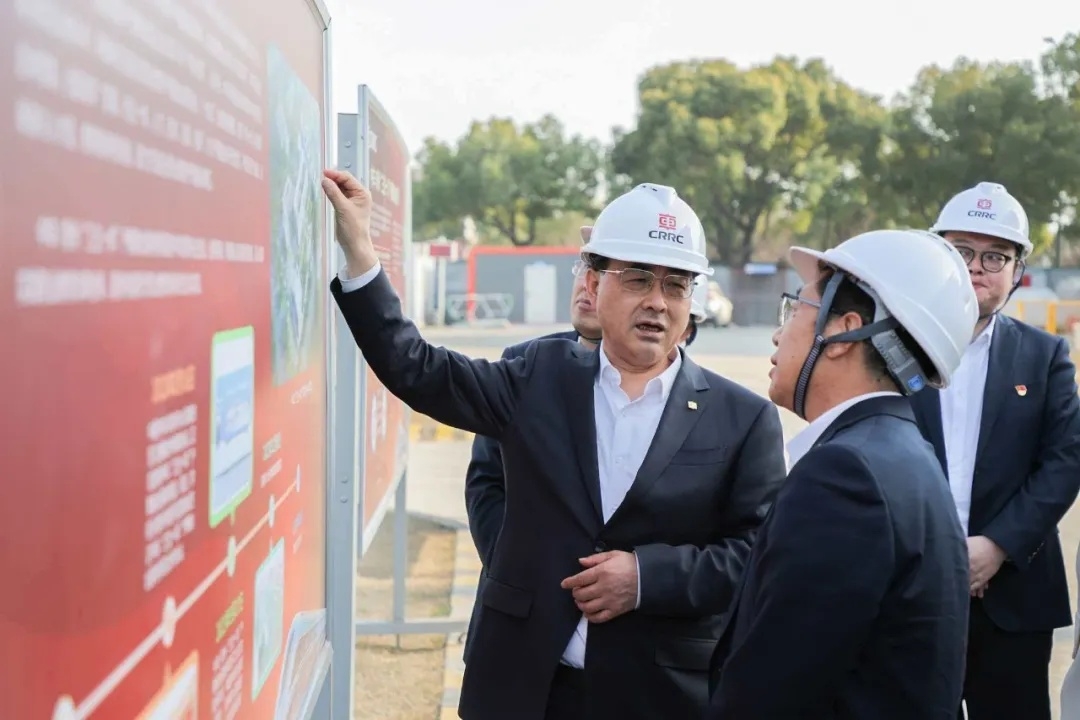
Based on research involving more than 80 enterprises and educational institutions, the Community has developed a structured work model focused on three priority areas: curriculum and teaching materials, practical training bases, and international talent development.
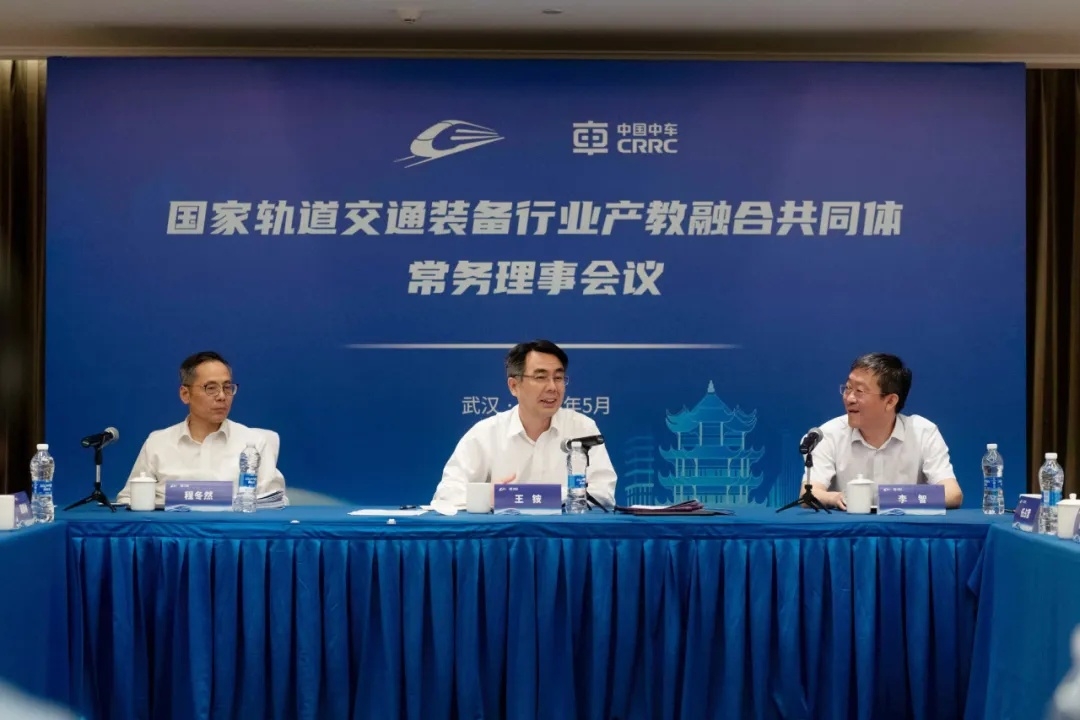
In curriculum development, the Community has established 25 joint enterprise-school project groups, bringing together 68 enterprise technical experts and 175 institutional faculty members. It has completed 11 high-quality core digital textbooks and supported the development of more than 120 textbooks across 12 professional fields, including EMU maintenance and signaling control. These efforts have helped 19 institutions add 35 new program offerings and discontinue 27 outdated ones, improving alignment between academic programs and industry demand.
In practical training, CRRC has opened research and development centers, pilot production lines and master technician studios to educational partners. The Community has built 16 full-scenario, digital and comprehensive training bases in locations including Qiqihar, Changchun and Zhuzhou, and jointly developed more than 220 sets of whole-vehicle and specialized training equipment.
The Community also supports international talent development. Building on CRRC’s global business presence, it has supported partner institutions in training more than 16,000 electric locomotive drivers, railway management personnel and other professionals from Belt and Road countries, as well as more than 1,100 international students in China. It has also helped train more than 6,000 local employees for major rail projects such as the Jakarta-Bandung High-Speed Railway and the China-Laos high-speed railway, and has jointly developed more than 20 international talent standards for the rail transit sector.
In addition, the Community has opened a faculty resource pool of more than 6,000 experts, appointed more than 1,300 enterprise experts as part-time instructors, supported practical enterprise training for over 1,400 teachers, and provided internships and practical training opportunities for more than 10,000 students.
The Community follows a phased development model, progressing from governance and mechanism-building to outcome delivery, with the next stage focused on innovation, standard-setting and wider replication.
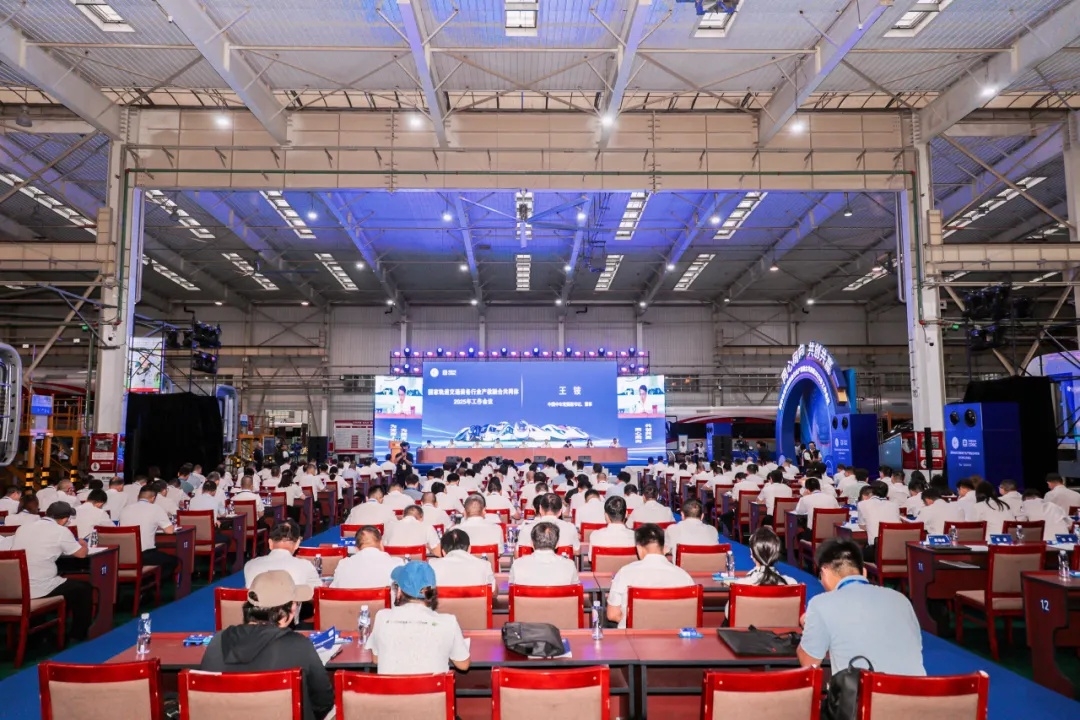
Looking ahead, CRRC will continue to improve the market-oriented operation of the Community, promote more efficient resource flows between enterprises and institutions, and strengthen mutually beneficial cooperation. As China enters the 15th Five-Year Plan period, the National Rail Transit Equipment Industry-Education Integration Community is expected to further support talent development, industrial upgrading and the sustainable growth of the rail transit equipment sector.
